Haruyuki Fukuchi1,2, Nao Takano3, Yutaka Ikenouchi2, Michimasa Suzuki2, Osamu Abe1, and Shigeki Aoki2
1Department of Radiology, Graduate School of Medicine, University of Tokyo, Tokyo, Japan, 2Department of Radiology, Juntendo University Graduate School of Medicine, Tokyo, Japan, 3Department of Radiology, Juntendo University Hospital, Tokyo, Japan
1Department of Radiology, Graduate School of Medicine, University of Tokyo, Tokyo, Japan, 2Department of Radiology, Juntendo University Graduate School of Medicine, Tokyo, Japan, 3Department of Radiology, Juntendo University Hospital, Tokyo, Japan
This study demonstrated that Variable TI was highly efficient technique for non-contrast ASL based UTE 4D-MRA. This new method offered a higher signal intensity and improved visualization of arteries in late phase compared to the conventional method.
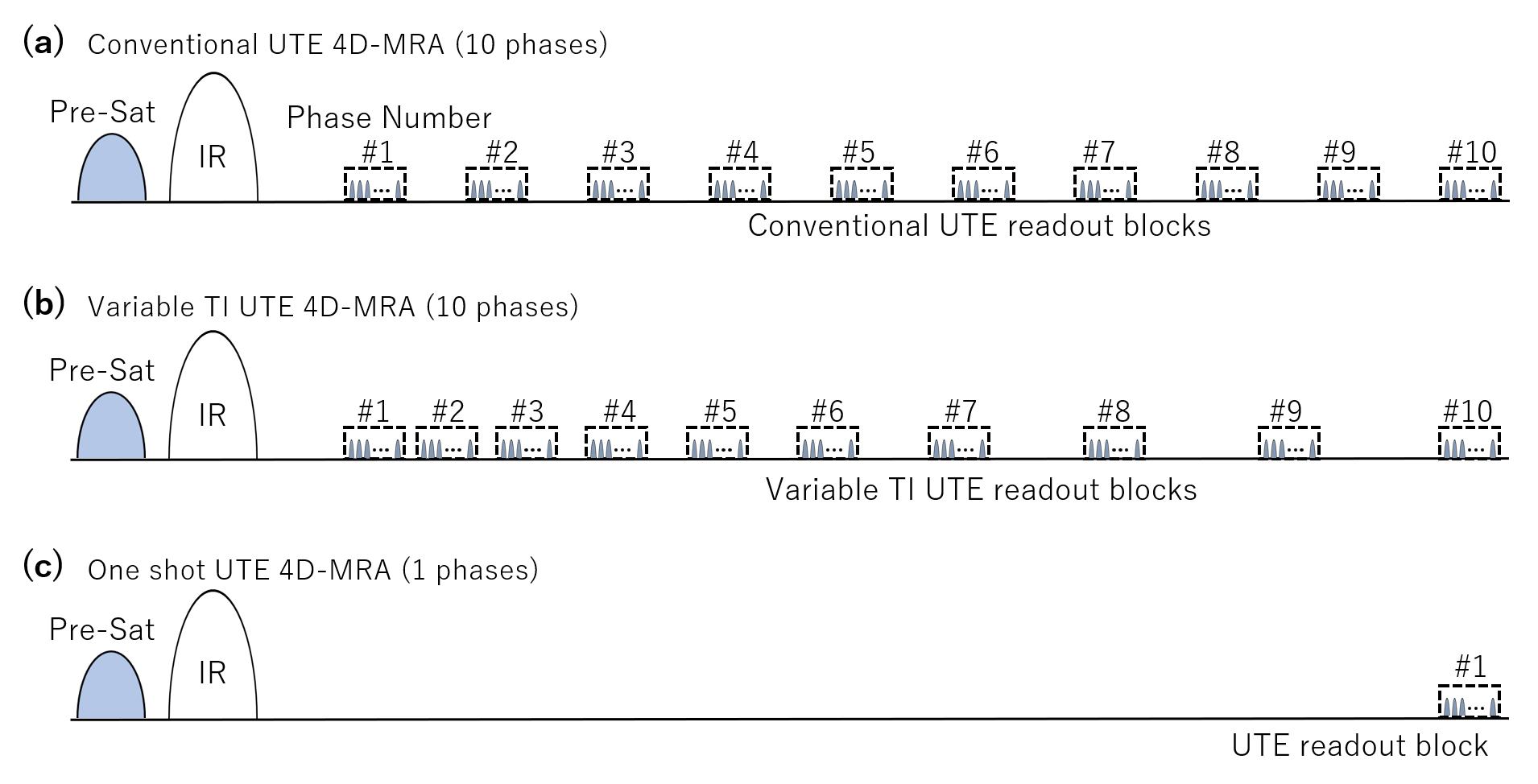
Figure 1. The graphical sketches showing
UTE 4D-MRA pulse sequences used in the phantom study. (a) conventional UTE
4D-MRA, 10 readout blocks from 200 to 2810 ms each blocks having 290 ms of delay
time from the previous blocks, (b) Variable TI UTE 4D-MRA, where the TI intervals
were increased with a manner of progression of difference, TI = 200, 338, 514,
728, 980, 1270, 1598, 1964, 2368, and 2810 ms, (c) one-shot UTE 4D-MRA for
comparison, TI = 2810 ms. Each readout block consists of 25 series of UTE
acquisitions. The data from each readout blocks were used to construct a single
image.
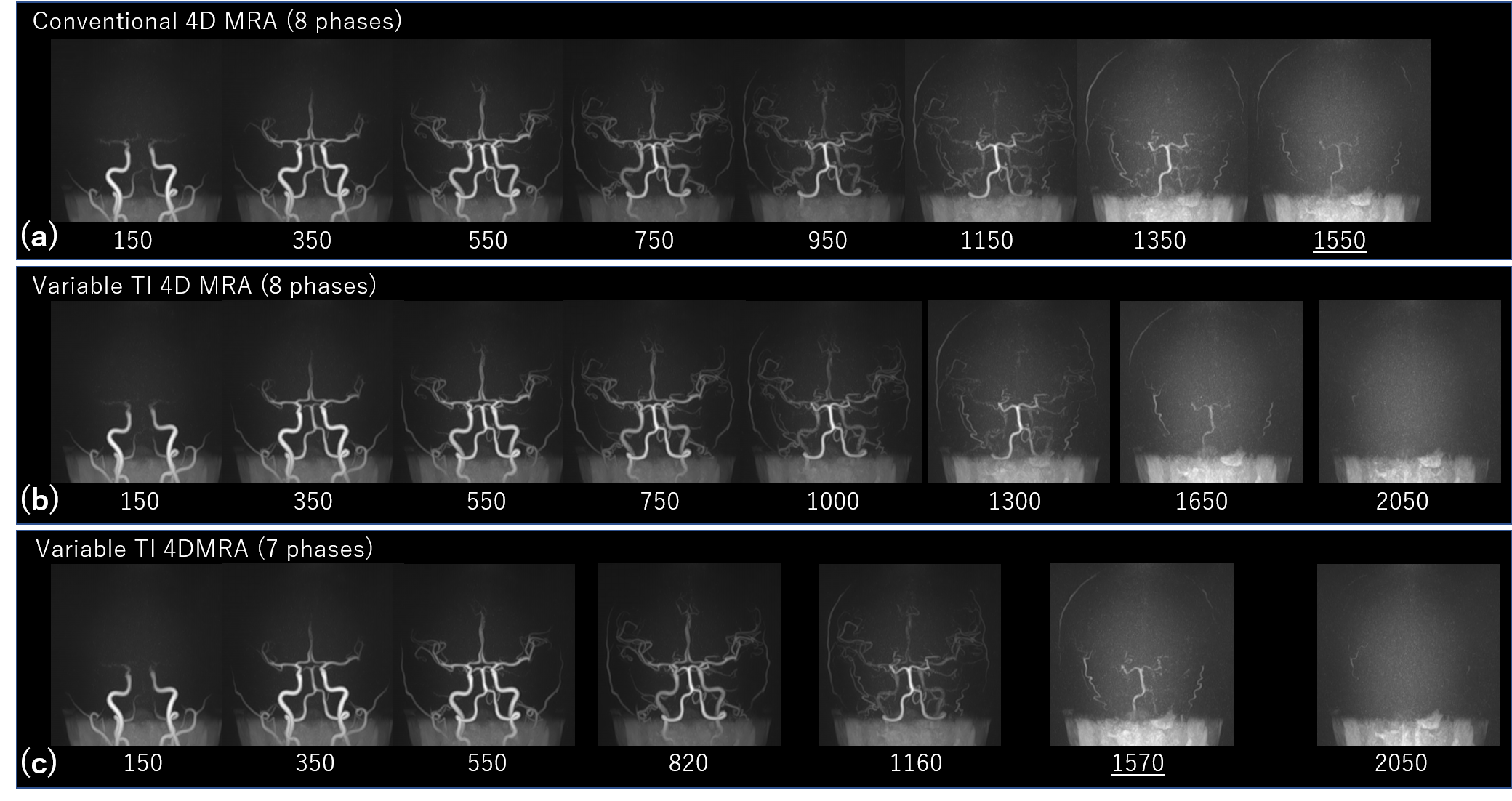
Figure. 3. Comparison between the conventional UTE
4D MRA and VTI UTE 4D MRA. Note that different time scales were used to display
the full range of information in each dataset and the times shown are relative
to start of labeling. (a) Conventional UTE 4D MRA with 8 phases. (b) VTI UTE 4D
MRA with 8 phases, which has longer TI in late phase. (c) VTI UTE 4D MRA with 7
phases, which provides better image quality in TI = 1570 ms comparing to TI= 1550 ms of conventional method.