Ramin Jafari1,2, Pascal Spincemaille2, Thanh D. Nguyen2, Junghun Cho1,2, Martin R. Prince2, and Yi Wang1,2
1Cornell University, Ithaca, NY, United States, 2Weill Cornell Medicine, New York, NY, United States
1Cornell University, Ithaca, NY, United States, 2Weill Cornell Medicine, New York, NY, United States
In this work we show how compressed sensing along with Deep Learning can be used to shorten acquisition time, perform image reconstruction, and generate QSM maps
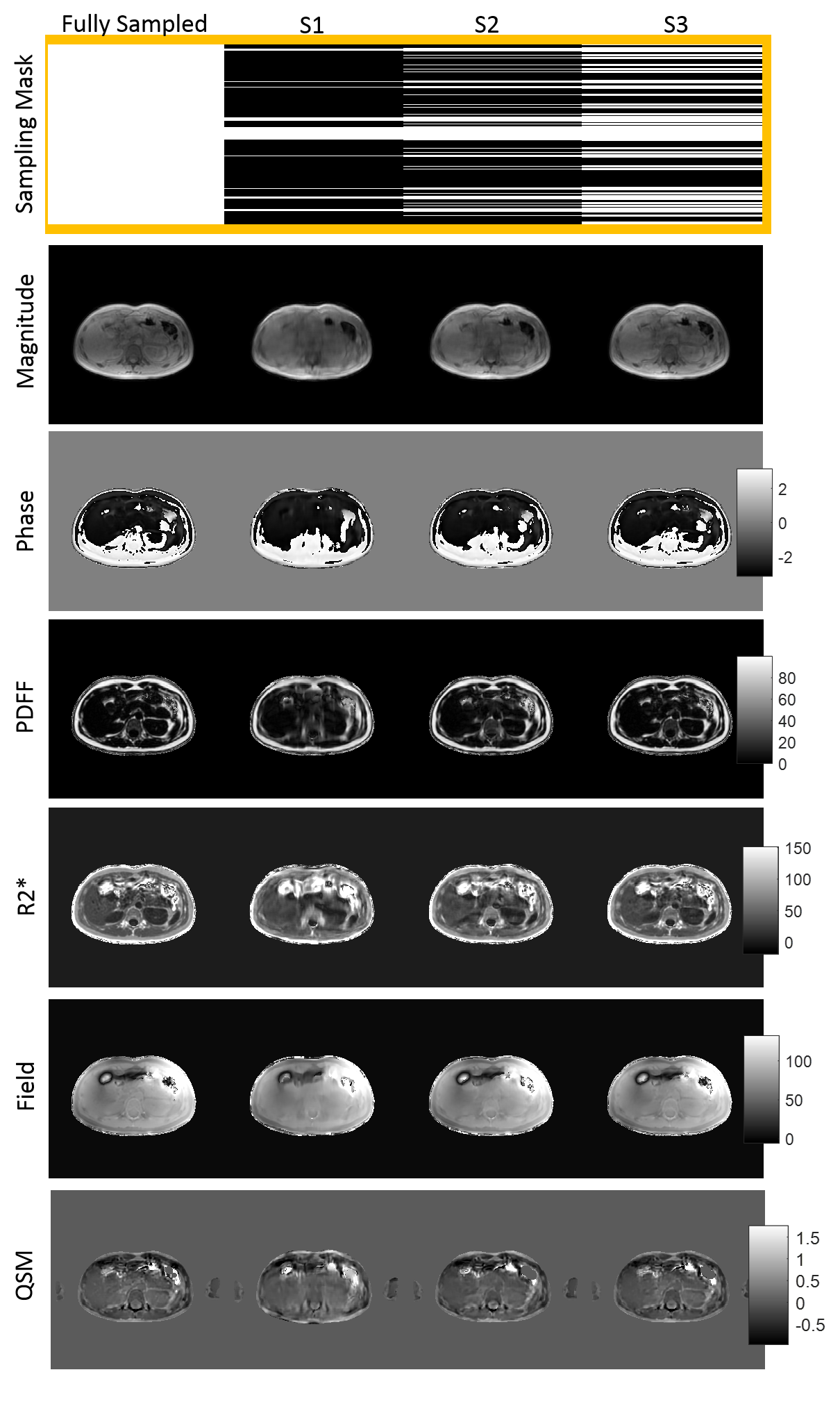
Figure1. Comparison of fully sampled and undersampled (density
masks; S1=14%,
S2=28.9%, S3=50.7%) reconstruction of magnitude/phase images, water/fat separation results (PDFF(%), R2*(Hz), field (Hz)), and QSM (ppm).
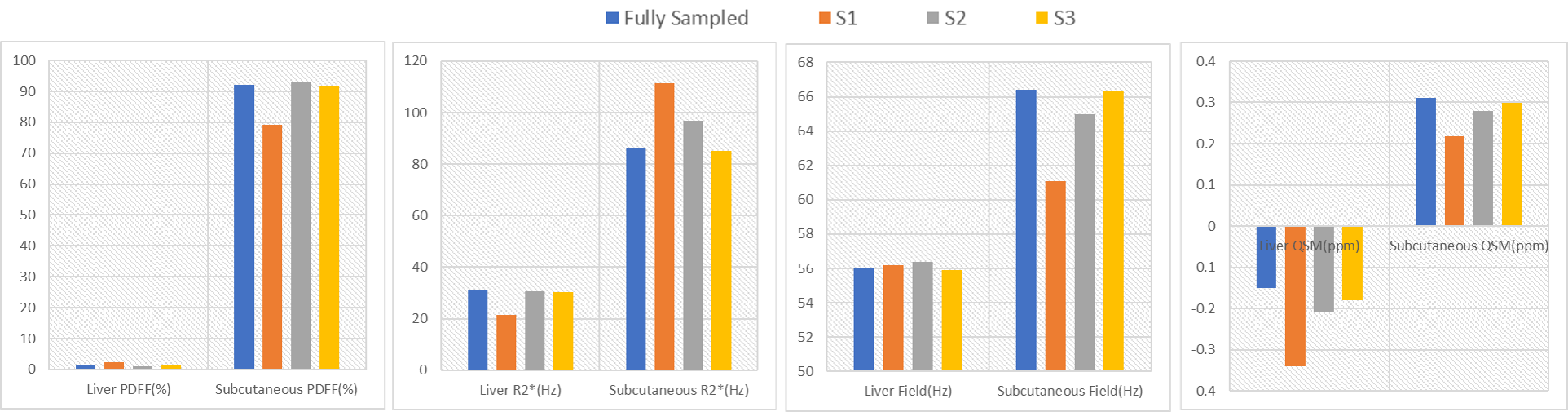
Figure 2. ROI analysis comparing PDFF, R2*, field, and QSM in the
liver and subcutaneous fat calculated from reconstructed undersampled data with
different density masks (S1=14%, S2=28.9%, S3=50.7%).