Keshav Datta1 and Daniel Mark Spielman1
1Department of Radiology, Stanford University, Stanford, CA, United States
1Department of Radiology, Stanford University, Stanford, CA, United States
A narrowband radiofrequency excitation based-method is proposed for eliminating the J-modulated artifacts in imaging [2-13C] Lactate in a hyperpolarized [2-13C] Pyruvate experiment to simultaneously assess glycolysis and mitochondrial metabolism.
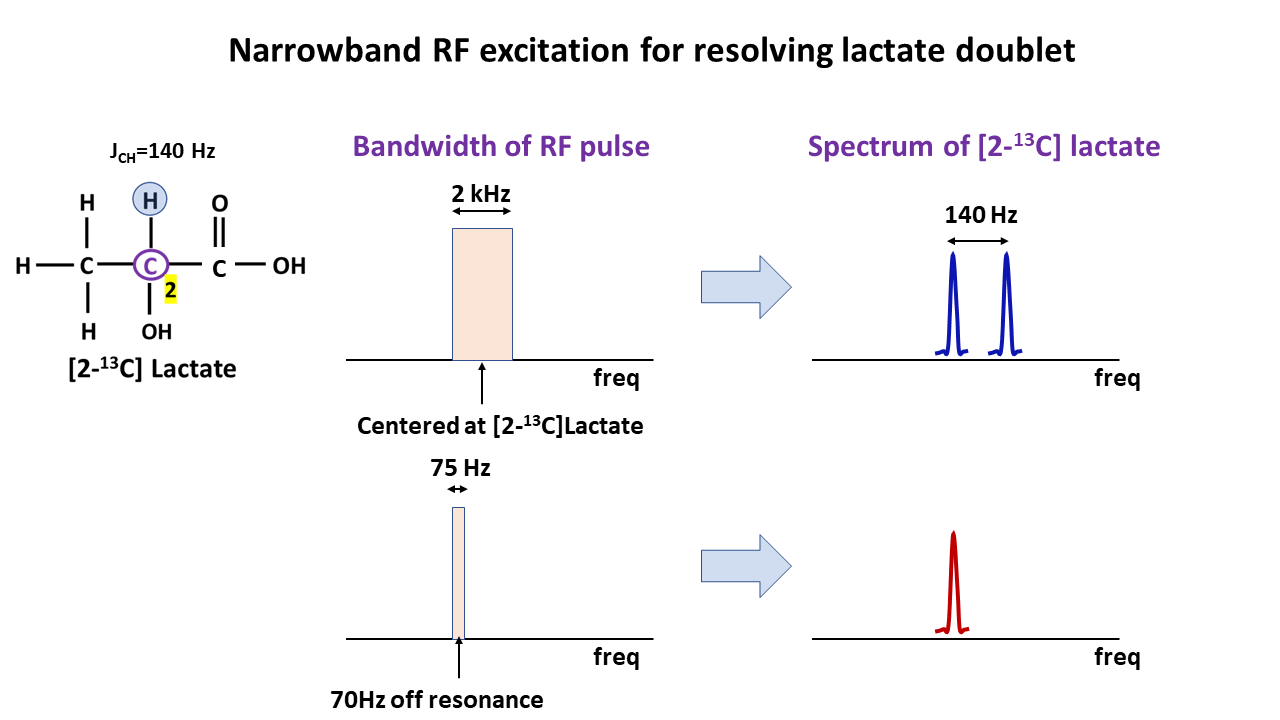
Figure 1: Evolution of J-coupling during a short RF
pulse (1.8ms, 2kHz) is negligible and hence results in a doublet during signal
collection. A long narrow bandwidth pulse (50ms, 75Hz), J/2 Hz off-resonance
(70Hz), on the other hand, generates
in-phase and anti-phase coherences that combine to result in a singlet during
signal collection.
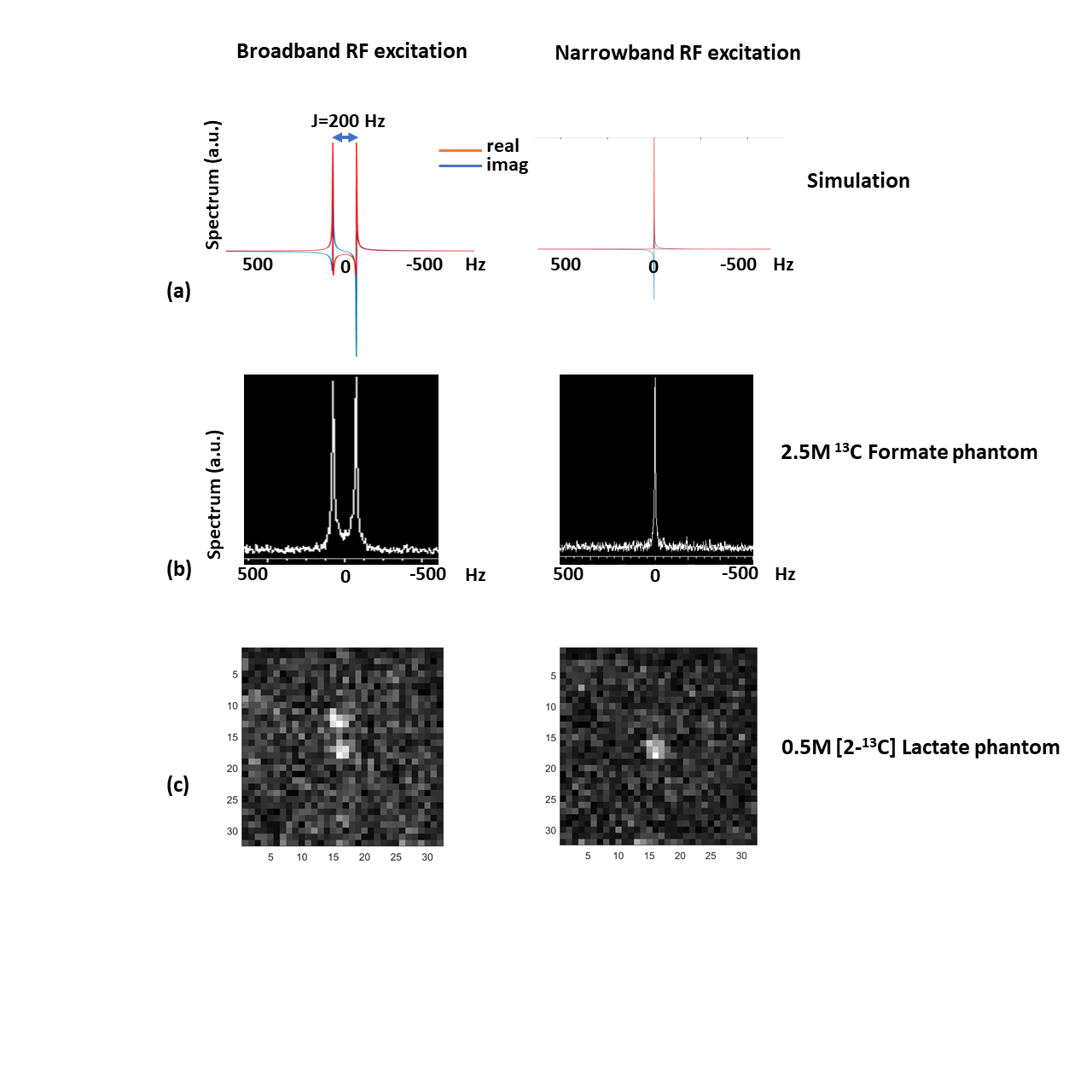
Figure 3: (a) Spectra from simulations
agree very well with (b), spectra acquired from a 2.5M 13C labeled formate phantom (J=200Hz). The doublet resulting
from a short duration RF pulse (left panel) is resolved into a singlet when a
long duration narrowband RF pulse is used. This scheme eliminates any
J-coupling associated artifact during imaging, thus enabling fast single-shot
acquisition as
seen from the EPI images in the bottom panel (c) acquired from a 0.5M [2-13C] lac phantom.