Xiaodong Ma1,2, Yilong Liu1,2, Zheyuan Yi1,2,3, Alex T. Leong1,2, Hua Guo4, and Ed X. Wu1,2
1Laboratory of Biomedical Imaging and Signal Processing, The University of Hong Kong, Hong Kong, China, 2Electrical and Electronic Engineering, The University of Hong Kong, Hong Kong, China, 3Electrical and Electronic Engineering, Southern University of Science and Technology, Shenzhen, China, 4Center for Biomedical Imaging Research, Department of Biomedical Engineering, School of Medicine, Tsinghua University, Beijing, China
1Laboratory of Biomedical Imaging and Signal Processing, The University of Hong Kong, Hong Kong, China, 2Electrical and Electronic Engineering, The University of Hong Kong, Hong Kong, China, 3Electrical and Electronic Engineering, Southern University of Science and Technology, Shenzhen, China, 4Center for Biomedical Imaging Research, Department of Biomedical Engineering, School of Medicine, Tsinghua University, Beijing, China
We propose a novel joint calibrationless reconstruction for accelerating multi-shot navigator-free DTI, using a low-rank completion approach. It can reduce artifacts in images and DTI metrics, compared with separate reconstruction for each direction.
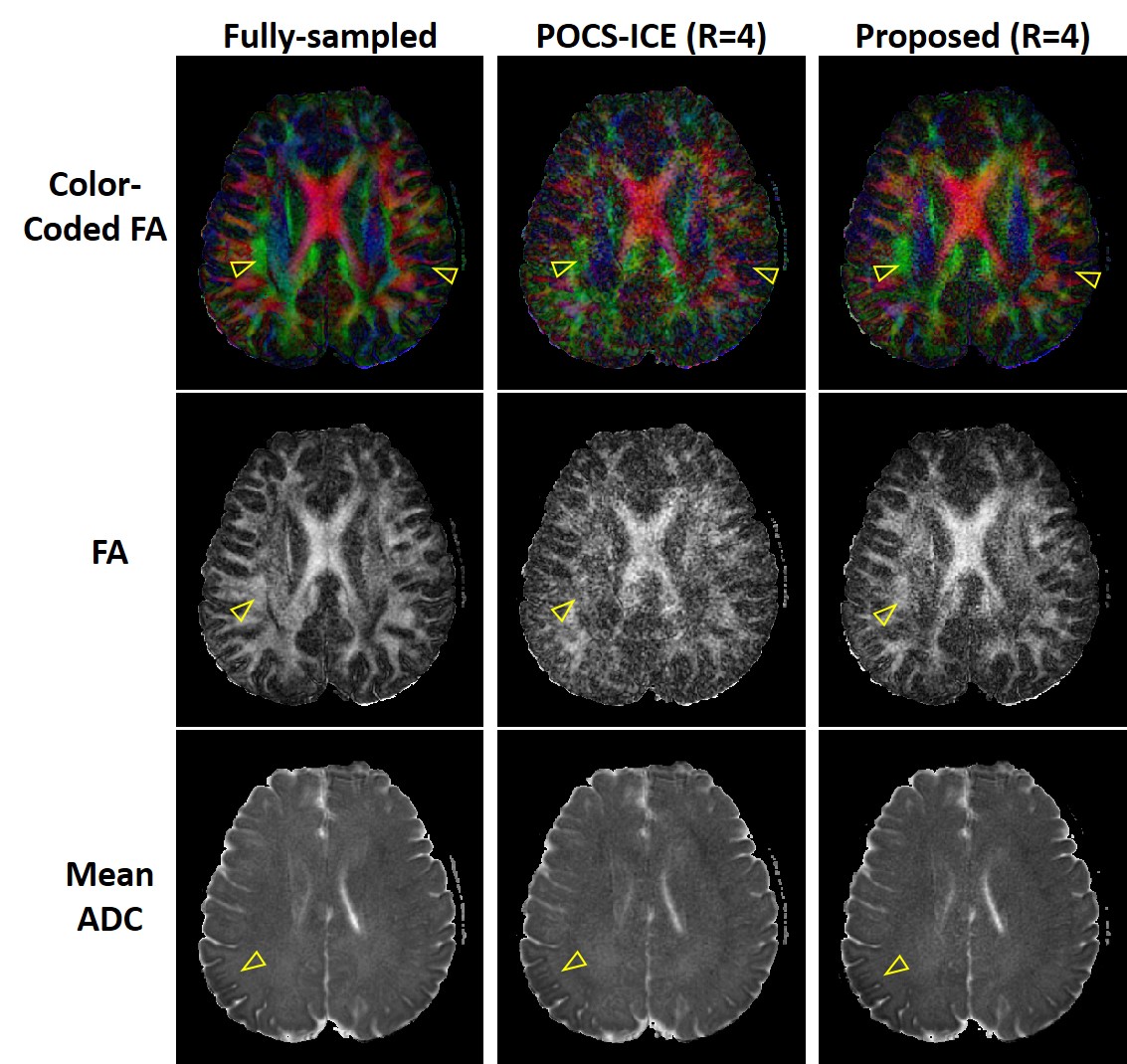
Figure 4. DTI metrics calculated from the diffusion-weighted
images reconstructed by the fully-sampled data, the highly undersampled data of
R=4 with POCS-ICE method and the our proposed joint reconstruction. The FA
and color-coded FA maps from our proposed reconstruction are closer to those
from the fully-sampled reference, and the mean ADC has reduced aliasing
artifacts compared with POCS-ICE. Note that raw data were acquired using an
8-channel head coil.
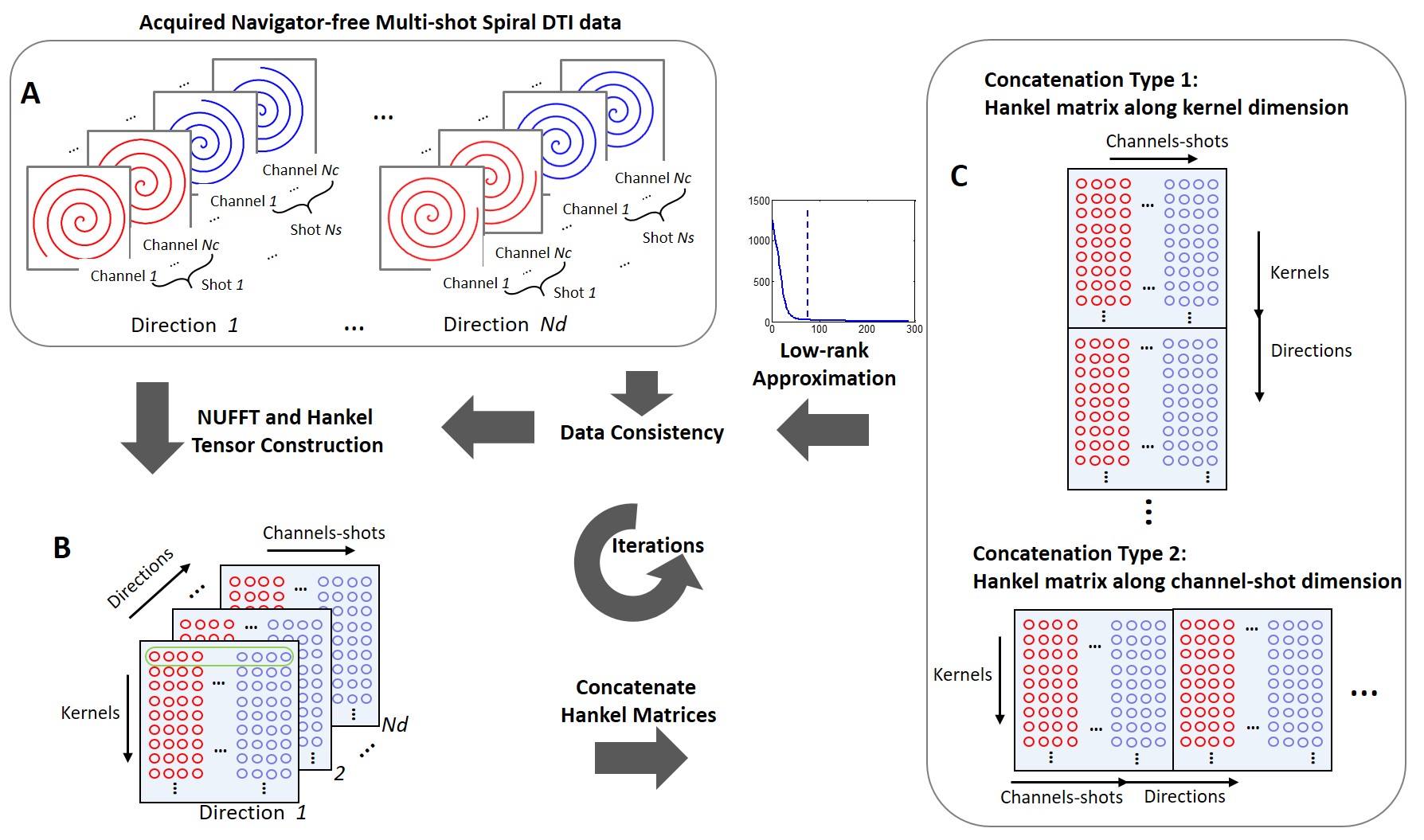
Figure 1. The illustration of the proposed joint
calibrationless reconstruction framework for multi-shot DTI. (A)
The acquired navigator-free multi-shot spiral DTI data. Data of different shots
are integrated into the channel dimension. (B) The constructed 3D Hankel tensor. (C) The concatenated Hankel matrices from the 3D Hankel tensor. Two
types of concatenation are used here, including the concatenated Hankel
matrices along kernel dimension and along channel-shot dimension.