Digital Poster
Registered Abstracts II: New to ISMRM!
ISMRM & ISMRT Annual Meeting & Exhibition • 10-15 May 2025 • Honolulu, Hawai'i

Digital Poster
Registered Abstracts II: New to ISMRM!
 |
Computer Number: 145
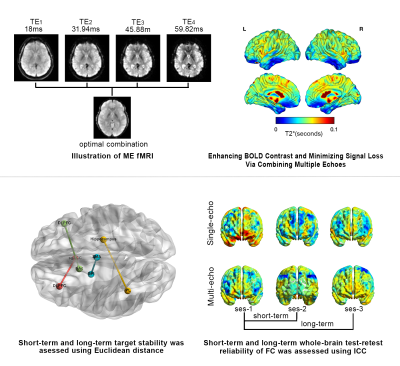
3486. Optimizing
rTMS Target Localization: Reliability and Stability Comparison
Between Multi-Echo and Single-Echo fMRI
Z. Hong, Q. Ge, Y-F Zang, Y. Ding, X. Yang, Y. Zhang
Centre for Cognition and Brain disorders / Department of Neurology, The Affiliated Hospital of Hangzhou Normal University, hangzhou, China
Impact: This study aims to evaluate the potential of
multi-echo fMRI as a more reliable method for guiding
personalized rTMS. By offering more accurate and
reproducible brain activity mapping, it may improve
treatment outcomes of rTMS in the future.
|
|
|
Computer Number:
3487. WITHDRAWN |
||
|
Computer Number: 146
3488. Definition
of a Nigrosome-1 template for characterizing iron accumulation
in Parkinson's Disease
A. Catrambone, M. C. Bonacci, M. E. Caligiuri
University "Magna Graecia" of Catanzaro, Catanzaro, Italy
Impact: Assessing Nigrosome1 characteristics in
Parkinson's disease, especially where the structure is not
visible, will enhance the understanding of the disease and
help identifying biomarkers of disease progression and
differential diagnosis.
|
||
 |
Computer Number: 147
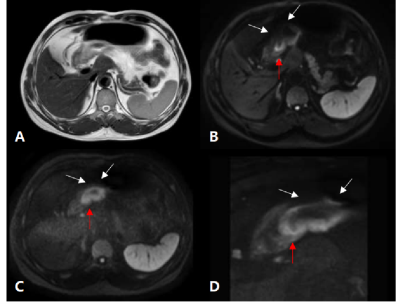
3489. Evaluation
of Three 3.0T MRI DWI Sequences for T Staging in Gastric Cancer
L. Yanli, L. Zhenhui, X. Yongzhou, Z. Yi
Yunnan Cancer centre, kunming, China
Impact: This research enhances gastric cancer staging
accuracy with advanced DWI sequences, potentially improving
diagnostic precision and patient treatment outcomes.
|
|
 |
Computer Number: 148
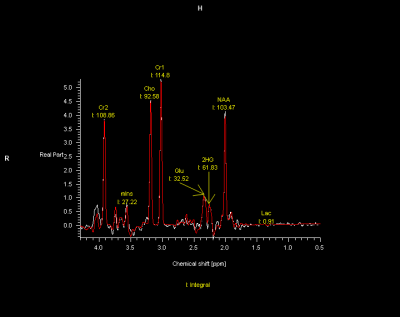
3490. Reproducibility
of single-voxel PRESS-MRS for 2HG quantification in a
custom-made phantom using vendor and non-clinical software.
A. Walls, B. Crouch, S. Withey, A. Dwyer
South Australian Health and Medical Institute, Adelaide, Australia
Impact: This study will be of interest to those wanting
to translate 2HG MRS to the clinic.
|
|
 |
Computer Number: 149
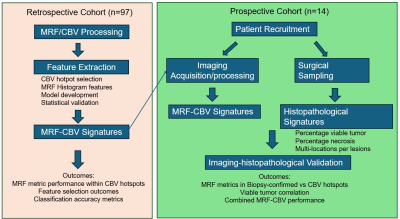
3491. CBV-informed
MR Fingerprinting for Improved Classification of Intratumoral
Heterogeneity in Post-Treatment Glioblastomas
S. Deng, K. Bera, N. Korakavi, W. Zhao, S. Gongala, P.
Arjmand, E. Alzaga, T. Hodges, P. Vempati, M. Staudt, H.
Newton, D. Jordan, M. Griswold, D. Ma, C. Badve
University Hospitals Cleveland Medical Center, Cleveland, United States
Impact: The MRF/CBV-informed local tumor recurrance
signatures can improve characterization of intratumoral
heterogeneity beyond CBV in recurrent glioblastomas. This
pipeline will lead to more precise tumor sampling and better
treatment response evaluation.
|
|
 |
Computer Number: 150
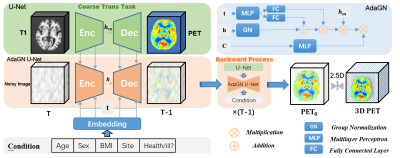
3492. Demographic
conditioned DDPM: pseudo-normal PET generation for improved
epileptic lesion detection
Z. Zhang, J. Li, Y. Cui, B. Cai, H. Zhang, X. Ye, M. Zhang,
J. Luo
Shanghai Jiao Tong University, Shanghai, China
Impact: Paired
MRI and FDG PET brain images of normal subjects are scarce.
We integrate controls’ and patients’ demographic information
into MRI2PET image translation using improved DDPM-based
model, which will provide personalized pseudo-normal PET
reference to aid lesion detection.
|
|
 |
Computer Number: 151
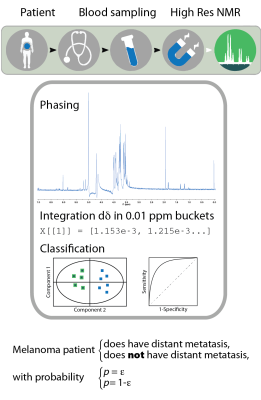
3493. Magnetic
Resonance Metabolomics on blood as a predictor of metastatic
disease in melanoma
N. Christensen, M. Aastrup, E. Hansen, D. Radford-Smith, P.
Corrie, M. Middleton, A. Marshall, C. Laustsen, F. Probert,
D. Anthony, J. Larkin, J. Miller
Aarhus Universitet, Aarhus, Denmark
Impact: Patients with resected AJCC stage IIB/C and III
cutaneous melanoma are at high risk of recurrent disease
with poor prognosis. An inexpensive blood biopsy able to
predict those with distant metastatic disease would guide
clinical decision making and save lives.
|
|
 |
Computer Number: 152
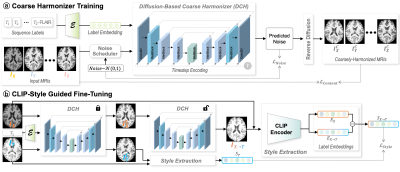
3494. Unpaired
Multimodal Brain MRI Harmonization with Image Style-Guided
Diffusion Model
M. Wu, Y. Sun, P-T Yap, H. Zhu, M. Liu
University of North Carolina at Chapel Hill, Chapel Hill, United States
Impact: By eliminating non-biological imaging variations
from various acquisition sites, our framework allows
researchers to utilize multi-site data more effectively,
facilitating more robust and generalizable analysis. This
will enable large-scale multisite longitudinal studies and
increase usable data to improve statistical power.
|
|
 |
Computer Number: 153
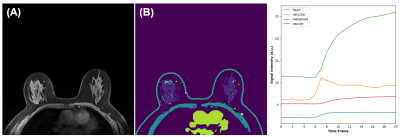
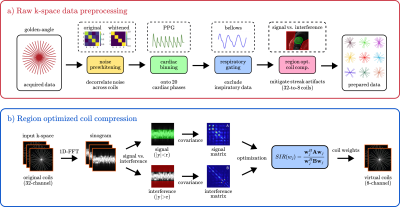
3495. Comparative
Evaluation of Deep Learning and Compressed Sensing Methods for
Dynamic Contrast-Enhanced MRI Reconstruction
E. Gösche, Z. Tan, K. Flaßkamp, S. G. Kim, F. Knoll
Friedrich-Alexander-University Erlangen-Nuremberg, Erlangen, Germany
Impact: DCE-MRI is the most accurate tool for diagnosing
breast cancer, but its potential is limited by acquisition
techniques that cannot achieve high spatial and temporal
resolution simultaneously. This work explores whether DL or
conventional compressed sensing can overcome these
limitations.
|
|
 |
Computer Number: 154
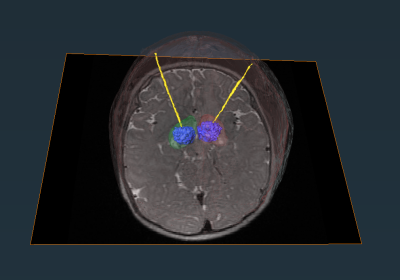
3496. Comprehensive
Evaluation of Deep Learning Reconstruction for Free-Breathing
Radial Cine Cardiac Magnetic Resonance Imaging
M. Yurt, K. Ryu, Z. Li, X. Zhu, X. Mao, J. Pauly, A. Syed,
S. Vasanawala
Stanford University, Stanford, United States
Impact: Free-breathing, radial cardiac cine acquisition
and reconstruction approaches can mitigate motion artifacts
and improve patient comfort and compliance. We perform a
comprehensive evaluation of such a protocol to validate its
effectiveness and validity on diverse populations including
volunteers and patients.
|
|
 |
Computer Number: 155
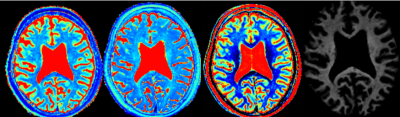
3497. Utility
of thalamic nuclei segmentation in targeted delivery of gene
therapy using intrathalamic injections in Tay-Sachs disease
patients
M. S. Shazeeb, M. Saranathan, A. Kuhn, R. Daci, B. Artinian,
O. Cataltepe, T. Flotte
University of Massachusetts Chan Medical School, Worcester, United States
Impact: This study will advance precision targeting of
intrathalamic injections in Tay-Sachs gene therapy that can
provide insights into AAV vector distribution within the
thalamus, refine delivery techniques, improve clinical
outcomes, and inspire new questions about targeted therapy
in neurodegenerative disorders.
|
|
 |
Computer Number: 156
3498. Utilizing
synthetic MRI and brain functional analysis for early
Alzheimer’s disease diagnosis
K. Dong, J. Shi, Y. Xiao, L. Yu, Y. Shang, H. Dai
The First Affiliated Hospital of Soochow University, Soochow, China
Impact: This study could improve early Alzheimer’s
diagnosis by combining SyMRI, myelin mapping, BOLD, and
NODDI to identify early biomarkers of the disease.
|
|
|
Computer Number: 157
3499. Validation
of acquisition parameters for human cartilage proteoglycan using
highly accelerated T1rho for clinical use.
A. Walls, S. Staude, K. Poonsawat, D. Muratovic, S. Withey,
G. Bonanno, A. Dwyer, D. Thewlis
South Australian Health and Medical Institute, Adelaide, Australia
Impact: Assessment of optimal combination of spin lock
times using direct validation to quantitative measures from
histology will provide valuable recommendations for clinical
cohorts.
|
||
 |
Computer Number: 158
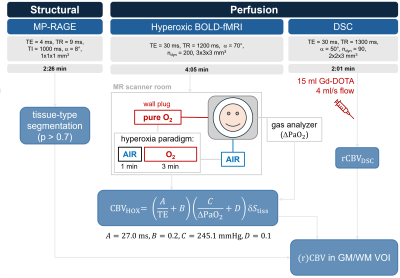
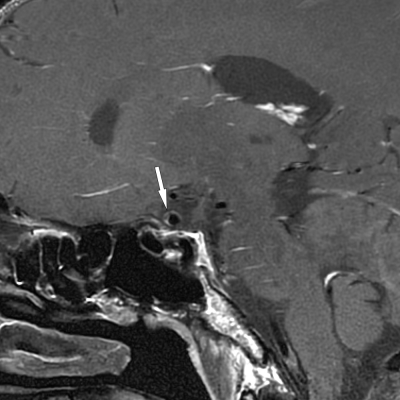
3500. Comparing
Cerebral Blood Volume From Non-Invasive Hyperoxic BOLD-fMRI to
Contrast-Agent-Based Dynamic Susceptibility Contrast MRI
E. Saks, S. Kaczmarz, N. Blockley, C. Zimmer, C. Preibisch,
G. Hoffmann
Institute for Neuroradiology, School of Medicine and Health, TUM University Hospital, Technical University of Munich, Munich, Germany
Impact: We plan to evaluate the applicability of
hyperoxic BOLD-fMRI as a method for CBV quantification. If
successful, this technique could present a non-invasive
alternative to contrast-agent-based DSC MRI. A direct
comparison of both techniques has not been done before.
|
|
 |
Computer Number: 159
3501. Higher
Field Vessel Wall Imaging for Intracranial Arteries with
Atherosclerotic Stenosis at 5.0 T: Image Quality Evaluation
Compared with 3.0 T
L. Yin, j. wang, Z. Li, z. sun, Z. Li
Shandong Provincial Third Hospital, Jinan, China
Impact: The study
could enhance the diagnostic accuracy of intracranial
atherosclerosis assessment, potentially leading to improved
patient management and treatment outcomes through superior
imaging techniques at 5.0 T MRI.
|
 Back to Meeting Home
 Back to the Program-at-a-Glance
The International Society for Magnetic Resonance in Medicine is accredited by the Accreditation Council for Continuing Medical Education to provide continuing medical education for physicians.
 View
Presentation Video
View
Presentation Video