 2026 ISMRM
Fellows of the Society
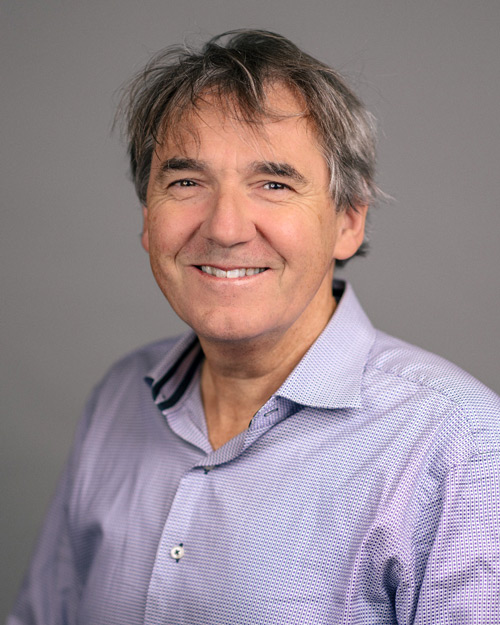
Gregor Adriany, Ph.D.
University of Minnesota
Minneapolis, MN, USA
For transformative and sustained contributions to ultra-high field (UHF) MRI engineering.
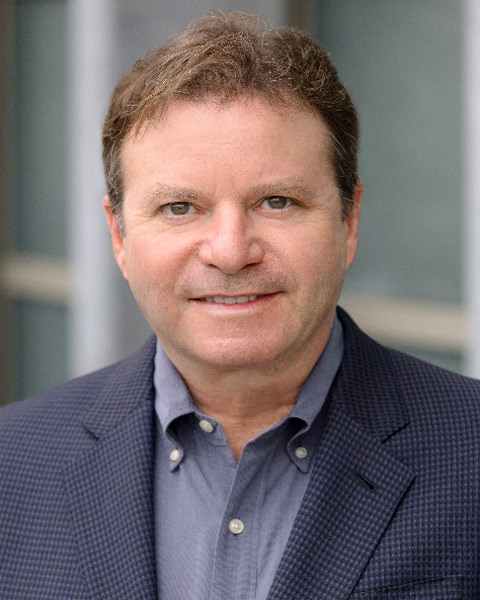
Eric T. Ahrens, Ph.D.
University of California, San Diego
La Jolla, CA, USA
For pioneering work in cellular-molecular MRI, including major innovations in the design of novel MRI gene reporters, intracellular oxygen sensing imaging, novel probe chemistries, data modeling, and MRI data acquisition and reconstruction algorithms.
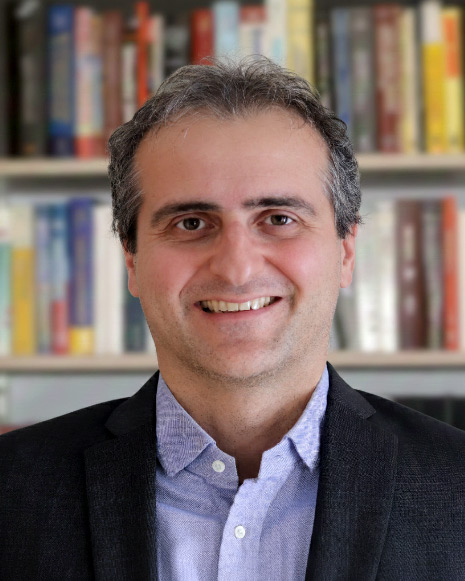
Mehmet Akçakaya, Ph.D.
University of Minnesota
Minneapolis, MN, USA
For pioneering and transformative contributions in increasing resolution and k-space sampling rate based on compressed sensing, low-rank denoising, and artificial intelligence/deep learning approaches.
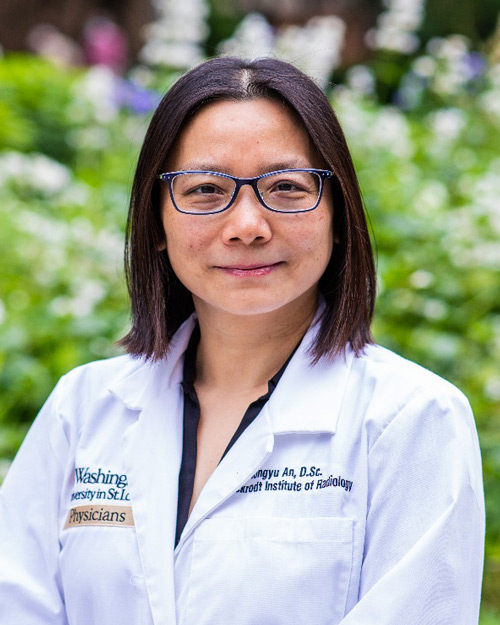
Hongyu An, Ph.D.
Washington University in St. Louis
St. Louis, MO, USA
For her significant contributions in the technical development, dissemination, and clinical translation of MR physiological and metabolic imaging, quantitative PET/MR imaging, and deep learning MRI reconstruction.
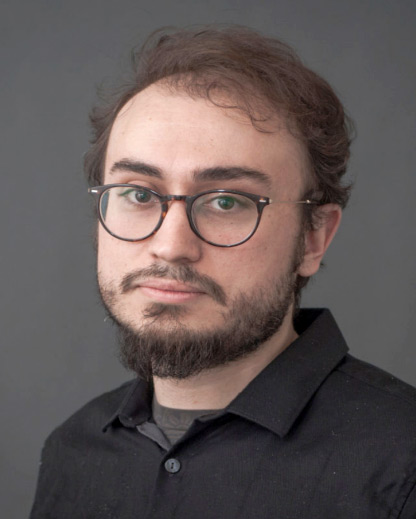
Berkin Bilgic, Ph.D.
Athinoula A. Martinos Center for Biomedical Imaging,
Massachusetts General Hospital
Boston, MA, USA
For his work on developing new acquisition and reconstruction methods that simultaneously exploit MR physics, signal processing, machine learning and hardware abstractions that are deployed in vivo, primarily in neuroimaging.
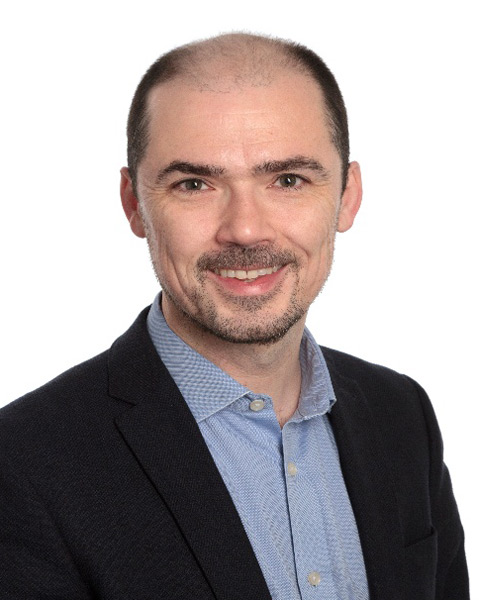
Ferdia A. Gallagher, Ph.D., FRCR, FRCP
University of Cambridge
Cambridge, England, UK
For advancing novel molecular imaging methods into clinical practice and contributing to the development and clinical translation of hyperpolarized 13C MRI.
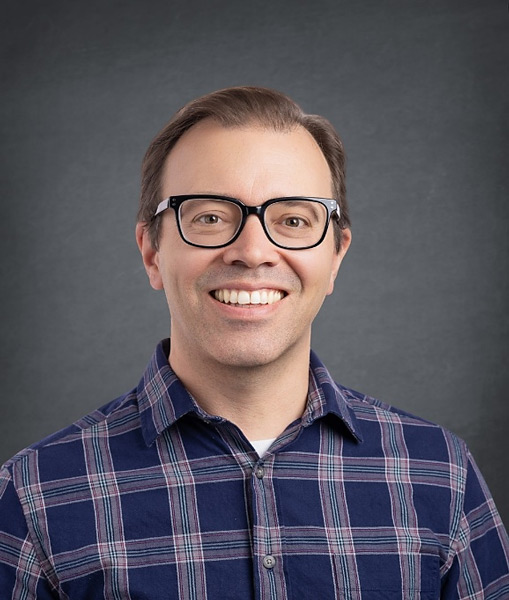
William A. Grissom, Ph.D.
Case Western Reserve University
Cleveland, OH, USA
For significant contributions to MRI in RF transmit, pulse design, and B1 mapping.
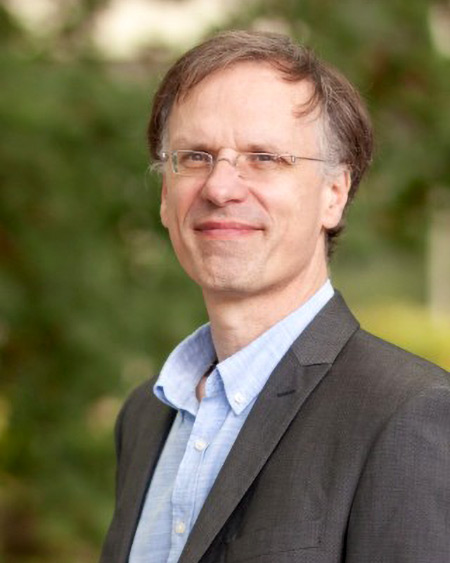
Matthias Günther, Ph.D.
Fraunhofer Institute for Digital Medicine MEVIS
Bremen, Germany
For significant contributions to arterial spin labeling and the advancement of perfusion MRI.
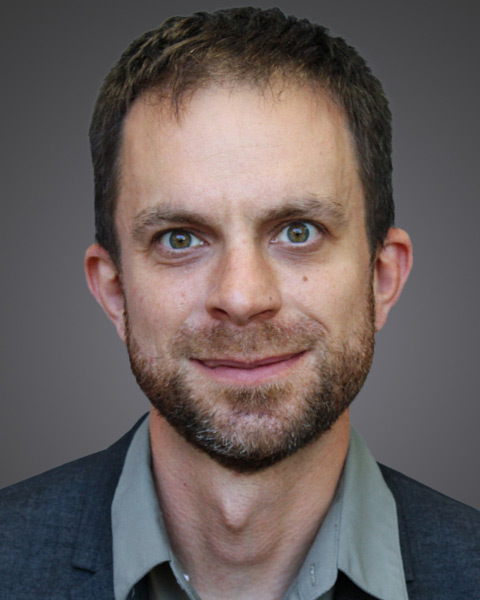
Kevin M. Johnson, Ph.D.
University of Wisconsin–Madison
Madison, WI, USA
For advancing MRI blood flow measurements and technical developments in flow and lung imaging.
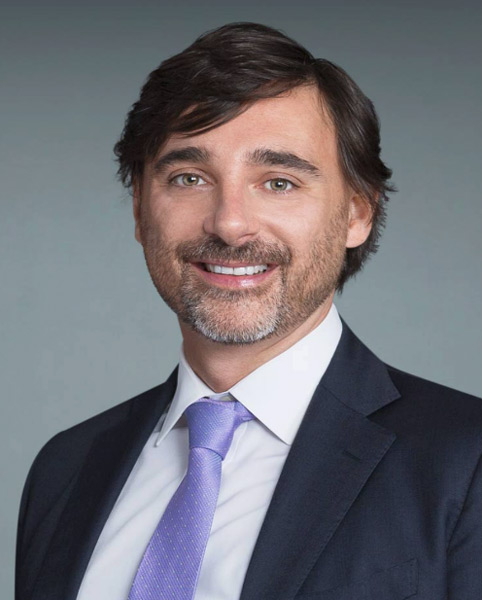
Riccardo Lattanzi, Ph.D.
New York university Langone Health
New York, NY, USA
For collaborative and innovative contributions to ultimate intrinsic SNR and SAR, MR electrodynamics, electrical property mapping, and multiparametric quantitative imaging.
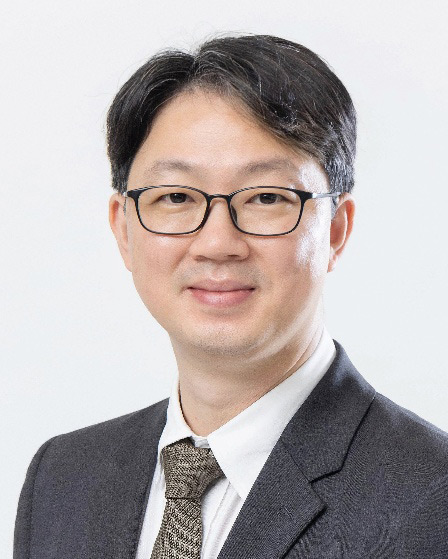
Jongho Lee, Ph.D.
Seoul National University
Seoul, South Korea
For his pioneering work in susceptibility imaging, including studying the origins of magnetic susceptibility in white matter and development of advanced susceptibility imaging methods.
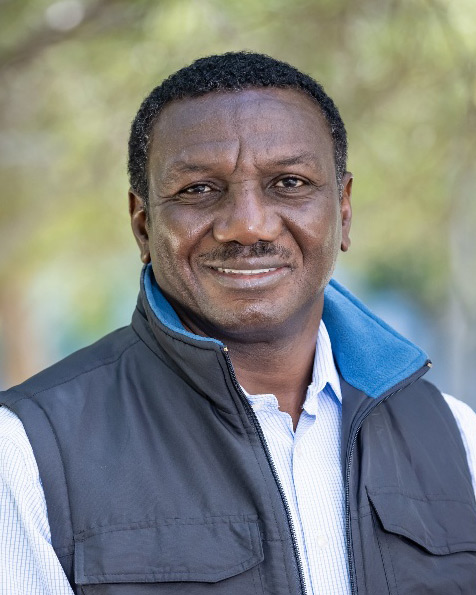
Godwin I. Ogbole, M.D.
University of Ibadan
Ibadan, Nigeria
For leading and advocating for the clinical deployment of MRI in Africa’s low‑resource settings by adapting protocols for affordability, safety, and accessibility.
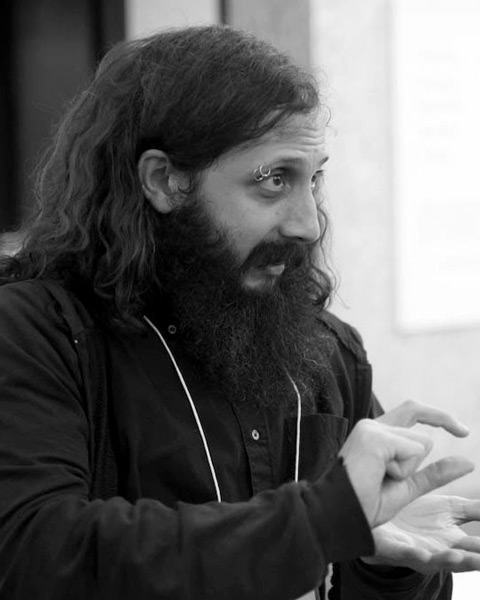
Jonathan R. Polimeni, Ph.D.
Stanford University
Stanford, CA, USA
For contributions across multiple MR domains, including advanced acquisition and reconstruction techniques, fMRI experimental design and analysis, neurophysiology, and translational clinical applications.
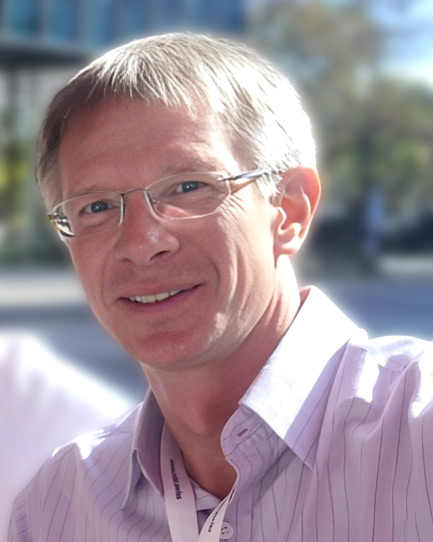
Benedikt A. Poser, Ph.D.
Max Planck Institute for Human Development
Berlin, Germany
For his contributions to methodology for advanced neuroimaging, including implementation and deployment of advanced neuroimaging using ultra-high field (up to 9.4 T), multi-band excitation, multi-channel excitation, BOLD as well as vascular space occupancy (VASO) contrast, and layer-specific acquisition.
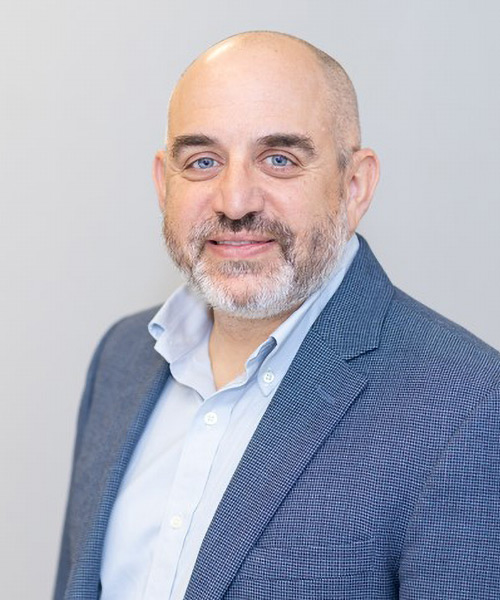
Michael Salerno, M.D., Ph.D.
University of California, San Francisco
San Francisco, CA, USA
For his significant scientific contributions in hyperpolarized-gas MRI and cardiac MRI, including rapid techniques for parametric mapping and quantitative myocardial-perfusion imaging.
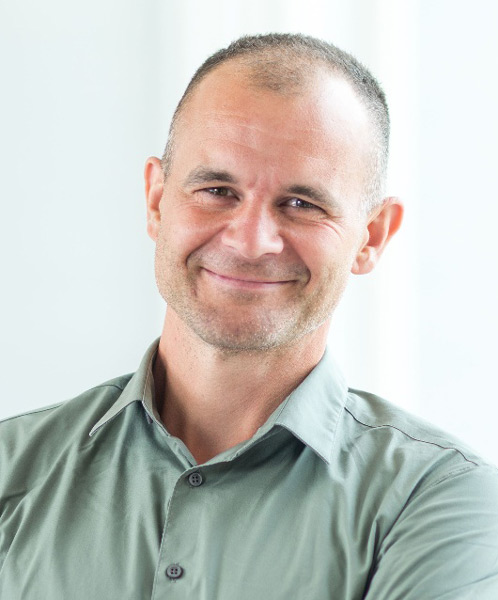
Tom W.J. Scheenen, Ph.D.
Radboud University Medical Center
Nijmegen, The Netherlands
For significantly advancing MRI and MRS methods focusing on oncological applications.
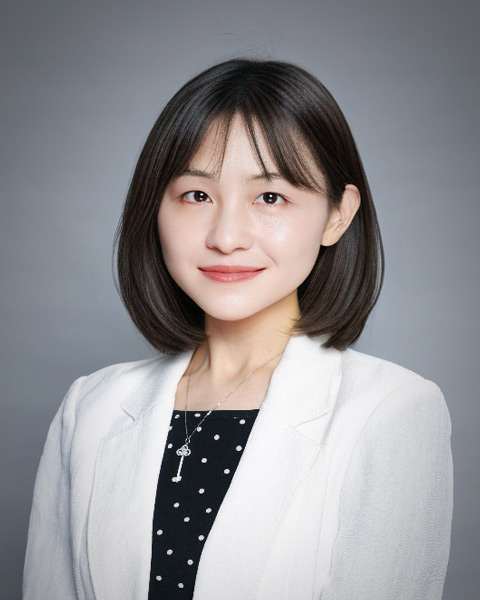
Dan Wu, Ph.D.
Zhejiang University
Hangzhou, China
For her extraordinary scientific insights and relentless pursuit of MRI Innovations, including transformative contributions to diffusion MRI, pediatric MRI, and clinical translations.
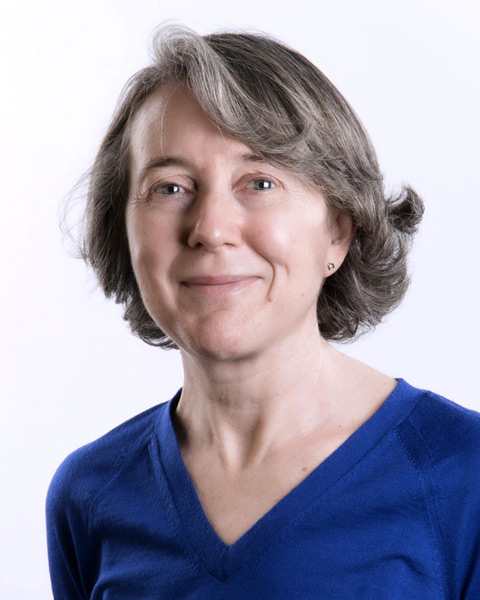
Maria A. Fernandez-Seara, Ph.D.
Clínica Universidad de Navarra
Pamplona, Spain
For outstanding contributions in the MRI methods for quantifying perfusion using arterial spin labeling (ASL) particularly in body organs, and for contributions to the education and training of the ISMRM.